Choosing a finish for an aluminum facade panel is not simply a question of picking a color. PVDF coating, powder coating and anodizing use different finishing processes and can produce very different combinations of color, gloss, metallic appearance, weathering performance and maintenance requirements.
The right finish depends on where the aluminum panel will be installed, how much sunlight and weather exposure it will receive, the architectural appearance required, the panel geometry and the performance specification written for the project. A finish that works well for an interior feature wall may not be the same finish specified for a high-rise exterior facade.
ALTOP supplies architectural aluminum panels with project-specific surface finish options including PVDF coating, powder coating and anodizing. The comparison below focuses on how architects, facade consultants and buyers can select between these finishes without relying on the finish name alone.
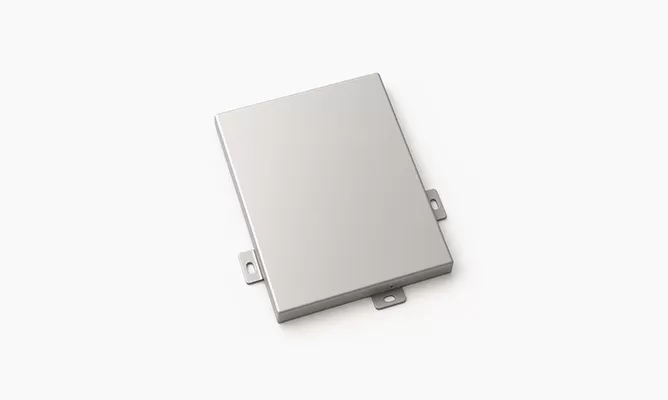
Aluminum facade finish selection should be coordinated with panel type, geometry, exposure conditions and architectural appearance.
PVDF coating: commonly considered for demanding exterior architectural applications where long-term weathering, color retention and coating performance are important.
Powder coating: provides broad color and texture flexibility and can be specified at different performance levels for interior and exterior architectural applications.
Anodizing: creates an integral aluminum oxide finish rather than a conventional paint film and is often selected when a natural metallic aluminum appearance is part of the architectural intent.
PVDF refers to polyvinylidene fluoride-based architectural coating systems. For aluminum facade applications, factory-applied PVDF-based finishes are commonly specified where exterior weather exposure, color stability and long-term appearance are important considerations.
However, the term “PVDF” alone is not a complete specification. Resin formulation, pretreatment, primer, color coat, application process and required performance standard all influence the final coating system.
For exterior architectural aluminum, project specifications may reference performance requirements such as AAMA 2605 . Compliance should be verified against the actual coating system and supplier documentation rather than assumed simply because a product is described as PVDF.
Powder coating uses a dry coating material that is applied to the prepared aluminum surface and then cured to form a continuous film. It offers architects a wide selection of colors, gloss levels and textures and can be used for both interior and exterior architectural applications.
One common mistake is treating all powder coating as one performance level. Architectural powder coatings can use different chemistries and durability classes. For exterior work, the actual coating specification and qualification are more important than simply writing “powder coated aluminum” on the drawing.
Organizations such as QUALICOAT publish requirements for architectural powder coating processes and finished products. FGIA's AAMA 2603, 2604 and 2605 specifications also provide performance classifications for factory-applied organic coatings on architectural aluminum.
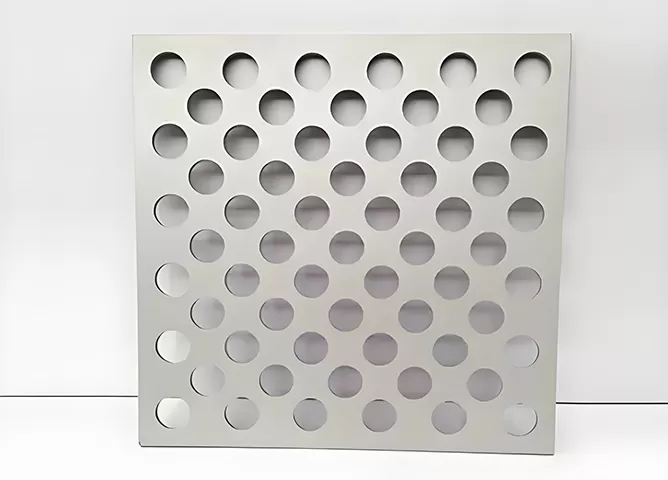
Perforated aluminum has a much larger amount of exposed edge area than a flat unperforated sheet. Hole diameter, open area, forming sequence and coating process therefore need to be coordinated during fabrication.
The finish should be selected together with the perforation pattern rather than after panel fabrication has already been finalized.
Explore Perforated Aluminum Panels →Anodizing is different from painting. It is an electrochemical process that develops a controlled aluminum oxide layer at the metal surface. Because the finish is integrated with the aluminum substrate, anodized aluminum retains a distinctly metallic appearance.
Clear, bronze, black and other architectural anodized appearances may be available depending on process and product requirements. Unlike opaque painted finishes, anodizing can make variations in alloy, substrate condition and fabrication direction more visually noticeable.
Architectural anodizing is covered by specifications such as AAMA 611-26. The Aluminum Association also publishes a designation system for aluminum finishes covering anodic and other architectural finishes.
The table below is a selection framework rather than a universal ranking. Actual performance depends on the specified coating or anodizing system and the quality of pretreatment, application and production control.
| Comparison | PVDF Coating | Powder Coating | Anodizing |
|---|---|---|---|
| Finish Type | Organic coating system | Thermally cured organic coating | Electrochemically formed oxide finish |
| Exterior Use | Frequently specified for demanding exterior facades | Suitable when the specified powder system meets required exterior performance | Widely used where architectural anodizing is specified |
| Color Range | Broad architectural color range | Very broad color and texture possibilities | More limited; emphasizes metallic aluminum appearance |
| Metallic Appearance | Available through selected metallic coatings | Available with selected metallic or textured powders | Natural metallic character is a major design feature |
| Weathering Performance | Depends on coating system and specified performance class | Depends strongly on powder chemistry and performance classification | Depends on anodic coating specification, thickness, sealing and exposure |
| Visual Variation | Color and gloss consistency should be controlled by specification | Batch, gloss and texture consistency require control | Substrate and processing variation may remain visible |
| Typical Design Reason | Exterior coating performance plus broad color choice | Color, texture and flexible architectural coating options | Metallic aluminum appearance |
“PVDF,” “powder coating” and “anodized” describe broad finishing families. They do not automatically tell a fabricator the complete performance requirement.
Useful reference: FGIA's current AAMA 2603, 2604 and 2605 documents define different levels of performance requirements for organic coatings on architectural aluminum extrusions and panels. View the FGIA overview →
Exterior facade panels are exposed to sunlight, rain, temperature cycling, airborne contamination and sometimes salt or industrial pollutants.
Finish selection should therefore consider required weathering performance, color stability, coating specification, maintenance and project location.
Interior walls, ceilings and columns generally face less severe weather exposure.
Color range, texture, gloss, metallic appearance, scratch visibility and integration with lighting or other interior materials may therefore become more important selection factors.
Coastal projects require more than choosing a finish labeled “weather resistant.” Salt deposition, wind-driven moisture and local maintenance conditions can increase the demands placed on exposed facade materials.
In these environments, designers should review the entire finishing specification, including aluminum alloy, pretreatment, coating or anodizing class, cut edges, fasteners, drainage details and cleaning strategy.
ALTOP has used PVDF-finished aluminum panels on facade projects in locations such as Hong Kong, but the final finish specification should always be determined by the actual project environment rather than copied from another building.
On a large aluminum facade, small differences between samples, batches or panel orientation can become visible across hundreds or thousands of square meters.
Use an approved physical sample rather than relying only on a screen or printed color chart.
Large elevations benefit from planned batch control and clearly identified production zones.
Metallic and anodized finishes can appear different when panel orientation changes under daylight.
Solid aluminum panels can involve cutting, folding, welding, curving, perforating and stiffener installation. The fabrication sequence and finish process therefore need to be considered together.
Complex shapes, tight folds or perforated zones should be reviewed before finish approval so that the selected system is compatible with the actual panel geometry.
View Aluminum Solid Panels →There is no reliable universal price ranking that applies to every project. Finish cost can change with coating class, color, metallic effect, production volume, panel dimensions, pretreatment, application process and required testing.
Buyers should therefore compare quotations against the same finish specification. Comparing one high-performance exterior coating with a basic interior powder simply by price can produce a misleading result.
Include more than a color name when requesting aluminum facade panels.
Review high-performance exterior organic coating options such as an appropriately specified PVDF-based system, together with the required AAMA performance classification.
Powder coating may provide useful design flexibility, but choose the actual powder performance class according to the exposure conditions.
Architectural anodizing may be worth evaluating where the design is intended to retain the visual character of aluminum rather than create an opaque painted surface.
Start with the project environment, desired appearance and required performance standard before selecting the finish name.
Not in every situation. High-performance PVDF-based systems are frequently specified for demanding exterior facades, while architectural powder coatings are available in different performance classes and can also be suitable for exterior applications. Compare the actual specification and exposure requirements rather than only the coating name.
No. Anodizing is an electrochemical process that develops a controlled oxide layer at the aluminum surface, while PVDF and powder finishes are organic coating systems.
Organic coatings such as powder coating and liquid architectural coatings generally provide broader color possibilities than conventional anodizing. Actual color availability should be confirmed with the selected finish supplier.
Yes, depending on the project specification and manufacturing process. ALTOP's perforated aluminum panel options include PVDF coating, powder coating and anodizing. Hole pattern and fabrication sequence should be coordinated with the finish process.
AAMA 2605 is an FGIA specification covering test procedures and performance requirements for superior-performing organic coatings applied to architectural aluminum extrusions and panels. It is a performance specification rather than simply another name for PVDF.
AAMA 611 is commonly referenced for architectural-quality anodized aluminum and defines relevant testing and performance requirements for anodic oxide coatings.
No universal rule applies to every project. Exterior finish selection should consider the required coating performance, environment, architectural appearance, color, project specification and available qualified finish system.
Provide the panel type, dimensions, thickness, finish type, color, gloss or texture, required performance standard, project location, exterior or interior use, quantity and architectural drawings where available.
Finish selection should be coordinated with the aluminum panel type, facade geometry, environmental exposure, fabrication method and project specification. ALTOP can review architectural drawings and finish requirements together with the selected panel solution.
Architectural Aluminum Panels → Solid Aluminum Panels → Perforated Aluminum Panels → Aluminum Cladding →