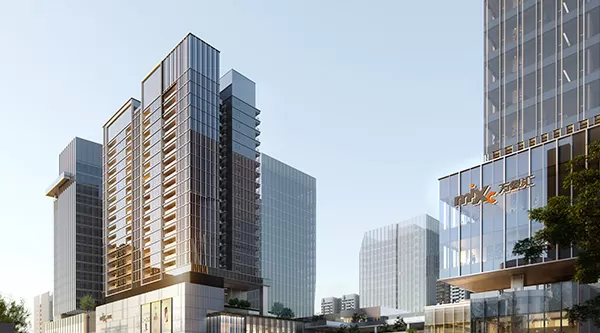
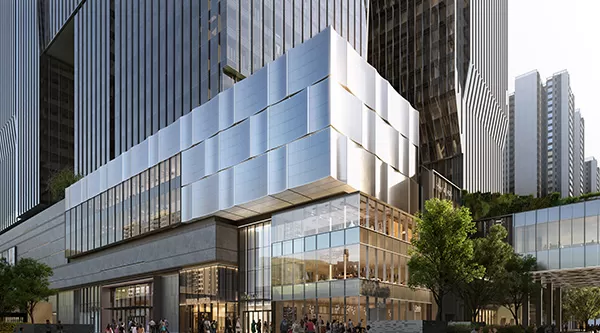
Building façades influence more than architectural appearance. The right facade materials can affect energy performance, durability, maintenance requirements, lifecycle costs and the overall environmental impact of a building. Selecting suitable sustainable facade materials requires evaluating long-term performance, recyclability, material efficiency and compatibility with the building design.
Durability and expected service life of the material
Energy performance and impact on building efficiency
Recyclability and lifecycle environmental impact
Maintenance requirements and long-term operating costs
Compatibility with architectural design and facade systems
Sustainable facade materials are not defined only by whether they are recyclable or made from environmentally friendly resources. A high-performance facade solution should balance environmental impact with structural performance, durability, energy efficiency and long-term usability.
When evaluating materials for a sustainable building facade, architects and project owners typically consider several important factors:
Long service life reduces replacement frequency and helps lower the overall lifecycle impact of a building facade.
Material selection, insulation, glazing and facade design all influence heating, cooling and indoor comfort.
Materials with strong recycling potential can support more sustainable building lifecycle strategies.
Low-maintenance facade materials can help reduce long-term operational costs.
Aluminum is widely used in modern architectural facades because it combines lightweight properties, corrosion resistance, design flexibility and recyclability. These characteristics make aluminum one of the most common choices for commercial buildings, high-rise developments and contemporary architectural projects.
Different aluminum facade materials can be selected according to project requirements. For example, aluminum solid panels can provide durable exterior surfaces with flexible finishes, while aluminum cladding solutions are often used to create lightweight and weather-resistant building envelopes.
For glazed architectural facades, aluminum curtain wall systems combine aluminum framing with glass and other infill materials to achieve both aesthetic and performance requirements.
Glass remains an important component of modern sustainable facades because it allows natural daylight while supporting contemporary architectural designs. However, the sustainability performance of glass facades depends greatly on glazing selection, insulation properties and solar control strategies.
Modern curtain wall systems can incorporate insulated glass units, Low-E glass, thermal-break aluminum profiles and other design elements to improve building performance.
The right glazing configuration depends on factors such as climate conditions, building orientation, daylight requirements and energy-performance goals.
| Material | Advantages | Considerations | Applications |
|---|---|---|---|
| Aluminum Panels | Lightweight, durable, recyclable and available with various finishes. | Requires proper design integration for insulation and structural requirements. | Commercial buildings, decorative facades, exterior cladding. |
| Aluminum Curtain Wall | Combines transparency, daylighting and engineered facade performance. | Requires professional design and installation coordination. | High-rise buildings, offices, hotels and commercial projects. |
| Glass Facade Systems | Provides natural lighting and modern architectural appearance. | Performance depends heavily on glazing specification. | Office towers, mixed-use buildings and landmark projects. |
| Metal Cladding | Durable exterior protection with design flexibility. | Material selection affects lifecycle performance. | Industrial, commercial and architectural applications. |
Different building types require different facade considerations. There is no single material that is suitable for every project, so selection should be based on architectural goals, environmental conditions and performance requirements.
Focus on wind resistance, thermal performance, structural coordination and efficient installation methods.
Consider appearance, daylight performance, maintenance requirements and long-term operating costs.
Evaluate lifecycle impact, energy efficiency, recyclable materials and overall building performance.
Future facade development will continue to focus on improving energy efficiency, extending service life and reducing environmental impact. More projects are moving toward integrated facade solutions where materials, glazing systems and building performance are considered together.
Prefabricated facade approaches, recyclable materials and better-performing glazing technologies will continue to influence how architects and developers design sustainable buildings.
Choosing sustainable facade materials requires balancing appearance, performance, durability and lifecycle impact. Aluminum panels, curtain wall systems, glass solutions and other architectural materials each offer different advantages depending on the building requirements.
By evaluating material properties, energy performance, maintenance needs and project conditions, architects and developers can create high-performance building facades that support both design goals and long-term sustainability.
Sustainable facade materials are building exterior materials selected for durability, energy performance, recyclability, lifecycle value and reduced environmental impact.
Aluminum is widely used because it is lightweight, durable, corrosion resistant, recyclable and suitable for various architectural applications.
Aluminum panels can support sustainable facade strategies through durability, recyclability and long service life when properly designed and manufactured.
Curtain wall systems can integrate glazing, thermal solutions, sealing methods and engineered aluminum framing to support weather resistance and energy-performance requirements.
Important factors include climate conditions, building type, structural requirements, appearance, maintenance needs, energy performance and lifecycle costs.
The best choice depends on project requirements. High-rise buildings often require engineered facade systems that consider wind loads, thermal performance, installation methods and long-term durability.
Share your architectural drawings, facade requirements and project goals with ALTOP to explore suitable facade material solutions.
Contact ALTOP