Selecting the optimal curtain wall system is one of the most crucial decisions in modern architectural design and façade engineering. Whether you're planning a commercial tower, institutional building, or residential project, understanding the benefits and limitations of different curtain wall types helps you balance performance, cost, timeline, and aesthetics. As leading curtain wall manufacturers, Altop Facade offers both stick curtain wall and unitized curtain wall systems designed to meet diverse project needs.
In this article, we compare these two systems based on design, installation, cost, performance, and best-fit applications — providing you a clear guide for your next façade decision.
Before comparing performance and suitability, it's important to understand each curtain wall system's construction methodology.
A stick curtain wall system is built up on-site piece by piece using vertical mullions and horizontal transoms. Glass or other panels are then installed and sealed during the on-site assembly process. This traditional approach has been widely used in low- and mid-rise buildings for decades given its adaptability and ease of staged installation.
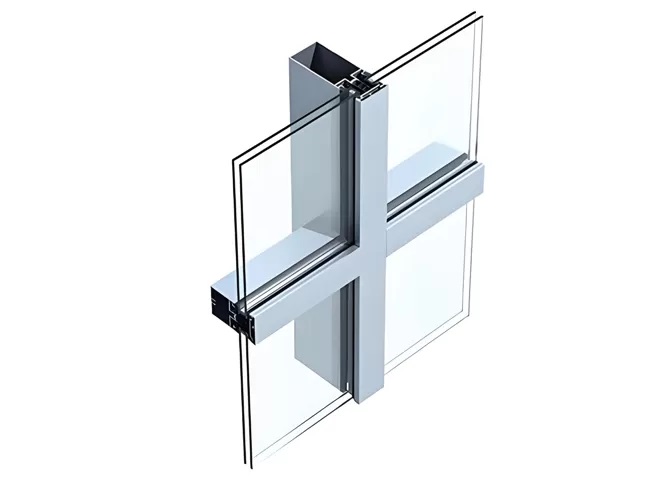
Altop Facade's stick curtain wall product line demonstrates this classic assembly style with high-quality aluminum framing and customizable glazing, ideal for projects where design flexibility and site adaptation matter.
In contrast, a unitized curtain wall is a factory-assembled system where large modules — including frames, glazing, insulation, and seals — are assembled off-site and delivered ready to install. These large units are then craned into place and connected together on the structure.
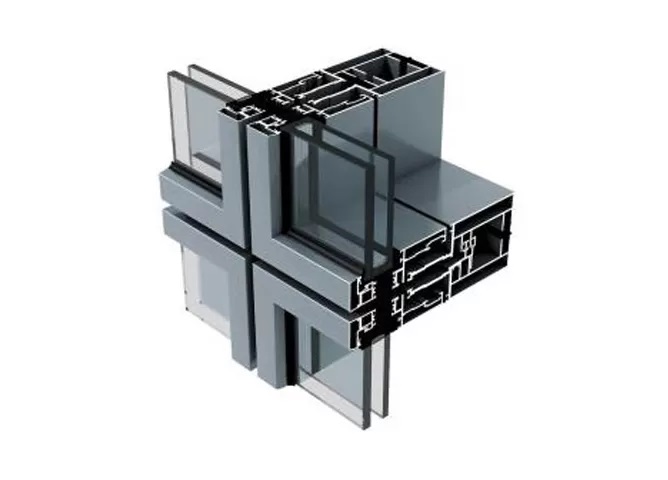
Altop Facade's unitized system reflects this modern approach, enhancing consistency and speed for high-performance façades.
Understanding these fundamental differences is essential before you decide on the right option for your project.
One of the biggest advantages of the stick system is its on-site flexibility. Because components arrive separately, the installation team can adjust as needed to align with real-world site conditions, irregular geometries, or last-minute design changes. This flexibility makes stick systems a common choice for projects with complex façades or variable dimensions.
However, this method requires skilled labor and more time on site, as mullions, transoms, and glazing must be assembled sequentially. Weather exposure and site conditions can also affect quality if not carefully managed.
Conversely, unitized systems emphasize factory precision. Since units are assembled and sealed in controlled conditions, the quality tolerance is typically higher and installation time on site is significantly reduced. This means less labor at height, fewer weather-related delays, and greater adherence to performance specifications.
This difference in workflow — on-site assembly versus prefabricated module installation — often becomes a key decision driver based on project size, schedule, and labor availability.
Because unitized curtain walls are assembled under controlled factory conditions, they often deliver superior air and water tightness, consistent seal integrity, and enhanced thermal performance compared to stick systems. Factory-applied seals and integrated gaskets also improve long-term energy efficiency.
However, stick systems can still perform well when installed by experienced teams with rigorous on-site quality control. The decision often comes down to scale: smaller façades or irregular shapes may benefit from stick systems' adaptability, while repetitive or large façades align with the strengths of unitized modules.
General industry guidance suggests:
Stick Curtain Wall: Best for low- to mid-rise buildings, complex geometries, or phased construction where on-site adjustments are expected.
Unitized Curtain Wall: Ideal for high-rise, large-area façades with repetitive bays, tight schedules, and demanding performance requirements.
Choosing the right curtain wall type should align with the logistical demands of site conditions, building height, and façade complexity.
Initial material costs for stick systems are typically lower since fabrication in factory is limited to basic components and no large pre-assembled units are transported. However, labor costs can increase the total cost due to extended on-site work.
Unitized systems often have higher upfront manufacturing costs due to prefabrication precision and larger logistic requirements. Yet, the installation timeline is shorter, and high quality control can reduce long-term maintenance costs — a factor that often justifies the initial investment, especially in large projects.
A key benefit of unitized systems is speed: many projects see significant time savings, as much of the complex assembly has occurred before arrival at the site — minimizing weather impact and labor hours at height.
For smaller sites or phased low-rise projects, the flexibility and staged delivery of stick curtain wall systems may align better with construction sequencing and cash flow.
Both stick curtain wall and unitized curtain wall systems have clear strengths. Your choice depends on project scale, schedule, performance expectations, and design complexity. As experienced curtain wall manufacturers, Altop Facade provides tailored solutions in both systems:
Choose stick curtain wall for flexibility and lower upfront costs on smaller or irregular façades.
Choose unitized curtain wall when speed, quality control, and large façade areas are priorities.

Oscar, Male, born November 1978 in Anfu, Jiangxi, China.
Bachelor's degree in Materials Science and Engineering from Nanchang University.
With over 23 years of experience in the building curtain wall industry, he is currently Chairman and General Manager of ALTOP FACADE CO., LTD. which he co-founded. He specializes in green, energy-efficient metal curtain wall systems and has extensive experience in high-profile international projects, including Shenzhen Airport T3, Madinah and Jeddah Railway Stations in Saudi Arabia, and the OPUS Project in Melbourne. He serves as a council member of the Shenzhen Building Door, Window & Curtain Wall Society and has been recognized as an Outstanding Individual in Nanshan District and Outstanding Communist Party Member. Under his leadership, the company has obtained multiple national patents.