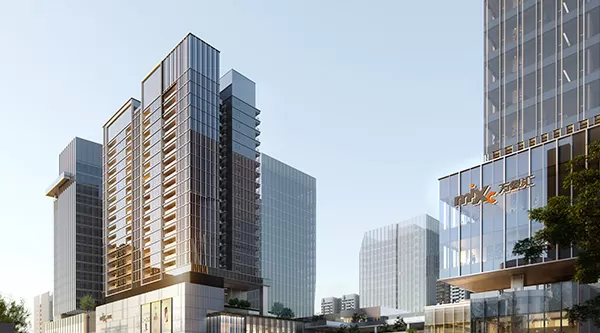
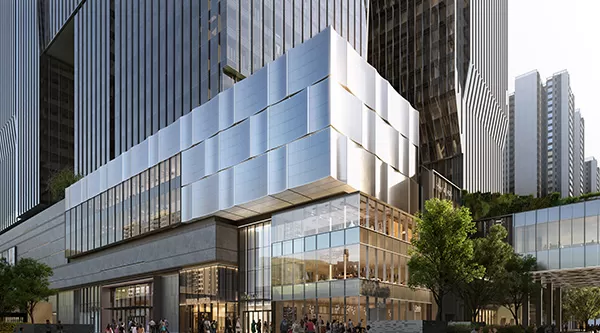
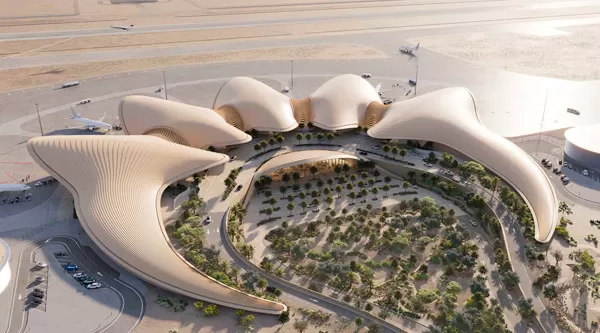
In 2026, architectural aesthetics and performance requirements are evolving rapidly. Buildings are no longer just functional structures — they embody sustainable values, visual expressiveness, and advanced engineering. At the heart of this evolution is the aluminum solid panel, a material that architects and designers increasingly prefer for both façades and interiors. As a leading aluminum solid panel manufacturer, Altop Facade is uniquely positioned to explore these trends and explain why solid aluminum solutions are dominating modern architecture.
Architectural priorities in 2026 place sustainability and energy performance at the forefront of material selection. Climate-ready building envelopes are essential to meeting stringent energy codes and achieving certification targets like LEED or BREEAM. Designers are focusing heavily on facades that can improve insulation, reduce heat loss, and manage solar gain — all while minimizing environmental impact. Aluminum is inherently valuable in this context for several reasons:
Recyclability: Aluminum can be recycled repeatedly without degrading material quality, contributing to circular economy goals.
Lightweight, high strength-to-weight ratio: Reduces structural load and often lowers transportation and installation energy costs.
Superior performance with coatings: With finishes like PVDF and anodized options, aluminum panels maintain durability and color retention over decades.
These properties make aluminum solid panels especially attractive for architects seeking lower lifecycle carbon emissions and optimized envelope performance.
Moreover, aluminum façade systems are being engineered with climate adaptability in mind — integrating advanced weather barriers, insulation layers, and detailing to meet modern building code requirements and occupant comfort.
Modern architectural design increasingly favors minimalist aesthetics with clean lines, sleek surfaces, and unobtrusive hardware. Aluminum solid panels are a natural fit for these design principles. Their ability to provide uninterrupted, flat, and meticulously finished surfaces contributes to exquisite visual clarity — a key facade design trend emphasized for 2026 façades.
Architects also balance minimalism with dynamic forms and mixed materials. Aluminum solid panels complement glass, stone, timber, and other materials to create visually engaging façades that balance texture and material warmth. This approach not only supports aesthetic diversity but also helps buildings connect more meaningfully with their surroundings.
Texture and surface variety — from anodized metallic sheens to textured or patterned finishes — expand the design language, allowing aluminum panels to shift seamlessly between bold architectural statements and subtle architectural backdrops.
The construction industry continues its shift toward prefabricated and modular workflows, and aluminum solid panels are central to this transformation. Prefabrication enables:
Faster project delivery
Improved quality control
Reduced site waste
Enhanced safety through off-site assembly
These benefits are amplified with aluminum solid panels because they can be pre-cut, coated, and quality-checked before arriving on site. This efficiency is especially valuable in urban contexts where logistics and space pose challenges.
Modular aluminum panels also integrate well with unitized façade systems — building components assembled in factories that are installed as large, complete sections. This trend supports lean construction practices, reduces labor costs, and accelerates build schedules without compromising performance.
Beyond passive performance and aesthetics, modern architecture is embracing integrated facade technologies that elevate the building envelope into an active part of building systems. Aluminum façades — including solid aluminum panel solutions — increasingly pair with shading devices, sensor-based controls, and renewable integration systems such as photovoltaics.
Solar & shading hybrids, for example, combine photovoltaic (PV) elements with optimized shading strategies to manage heat gain while capturing energy — transforming the façade into both a performance layer and an energy generator.
Additionally, intelligent façades can adapt throughout the day based on environmental data, enhancing occupant comfort and further lowering operational energy demand. This integration exemplifies the next evolution of façade design — where performance, sustainability, and aesthetics converge.
Architectural trends in 2026 make one thing abundantly clear: materials that support sustainability, design flexibility, fast construction workflows, and performance innovation will shape the buildings of tomorrow. As a trusted aluminum solid panel manufacturer, Altop Facade believes aluminum solid panels embody these qualities — offering a versatile and future-ready solution for contemporary façades and interior applications.
Given their recyclable nature, adaptability to minimalist and dynamic design languages, compatibility with prefabrication, and potential for technological integration, solid aluminum panels are more than a material choice — they represent a forward-looking architectural strategy that aligns with both design ambition and environmental responsibility.
If you aim to push your next project into the future of architectural excellence, aluminum solid panels are at the heart of that journey.

Oscar, Male, born November 1978 in Anfu, Jiangxi, China.
Bachelor's degree in Materials Science and Engineering from Nanchang University.
With over 23 years of experience in the building curtain wall industry, he is currently Chairman and General Manager of ALTOP FACADE CO., LTD. which he co-founded. He specializes in green, energy-efficient metal curtain wall systems and has extensive experience in high-profile international projects, including Shenzhen Airport T3, Madinah and Jeddah Railway Stations in Saudi Arabia, and the OPUS Project in Melbourne. He serves as a council member of the Shenzhen Building Door, Window & Curtain Wall Society and has been recognized as an Outstanding Individual in Nanshan District and Outstanding Communist Party Member. Under his leadership, the company has obtained multiple national patents.