Two aluminum cladding quotations may cover the same facade area but differ significantly in price. One may include only flat aluminum sheets with a standard finish. Another may include folded cassette panels, welded corners, reinforcement, custom coating, installation hardware and protective export packaging.
Both suppliers can describe their offer as an aluminum cladding price per m². Yet the two prices do not represent the same scope of supply.
For architects, facade contractors and purchasing teams, the useful question is not simply "How much does aluminum cladding cost per square meter?" It is what exactly is included in that square-meter rate, what has been excluded, and what will be required before the cladding can be installed?
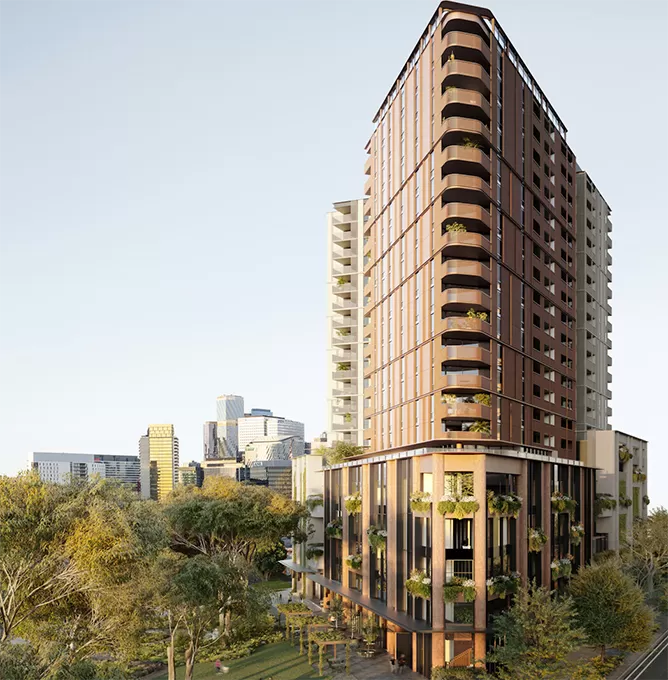
ALTOP project reference: The Canopy, Melbourne. The project includes aluminum panel cladding alongside other facade systems.
The final rate depends on the aluminum material and thickness, fabricated panel geometry, surface finish, production quantity, fixing and subframe scope, packaging, transportation and whether installation labor and site equipment are included.
There is no single reliable universal price for aluminum cladding per m². A useful quotation must define the panel specification, measurement basis, delivery terms and included work before suppliers can be compared fairly.
Before comparing prices, determine what the supplier means by "aluminum cladding." The term can describe raw sheets, fabricated panels, a supplied panel-and-fixing package or an installed facade covering.
Typically focuses on aluminum sheets or basic metal components. Cutting, folding, coating, reinforcement and fixing hardware may be charged separately or excluded.
May include cutting, folded edges, welding, stiffeners, coating and production inspection. Support brackets and site installation may still be excluded.
May include fabricated panels, subframes, brackets, fasteners, transport, access equipment and installation labor. Exact inclusions still require confirmation.
For custom facade projects, the main commercial mistake is comparing a factory panel-supply rate with a contractor's installed cladding rate as if they describe identical products.
A square-meter price is only meaningful when the measurement rule is defined. The installed visible area of a facade may differ from the aluminum sheet area purchased for fabrication.
Total Cladding Package Cost ÷ Agreed Measurement Area = Cost per m²
The numerator and denominator must describe the same scope. Agree on area measurement rules and included costs before calculating a comparison rate.
The cladding area measured on the building elevation under the agreed project measurement rules.
The area represented by the actual panels being manufactured, which may include formed returns or other geometry not visible on the facade elevation.
The metal purchased and consumed during production, including material cut away during nesting, openings and fabrication.
These three quantities may not be equal. Complex panel shapes, folded edges and cutout patterns can make the difference commercially important.
For formal project measurement and cost-planning methodology, the RICS New Rules of Measurement provide established construction cost-management guidance. The applicable measurement rules should be identified in the project documents.
Aluminum sheet thickness affects material consumption, panel weight and fabrication planning. When the alloy and area are unchanged, increasing thickness increases the amount of aluminum used. However, the finished price does not always increase in a simple linear proportion because processing, reinforcement and handling requirements can also change.
ALTOP lists 3003-H14 aluminum cladding with reference thickness options of 1.5, 2.0, 2.5, 3.0 and 4.0 mm. These are product options, not universal recommendations for specific building heights or wind conditions.
A thinner face sheet may use less aluminum, but a large cladding panel may need reinforcement or closer support spacing to satisfy project-specific requirements. Those additional components and installation operations can offset part of the material saving.
The commercial comparison should therefore consider the complete fabricated panel, not thickness alone. Where panel thickness or geometry is still undecided, buyers can review ALTOP's custom solid aluminum panel fabrication options before requesting prices.
Two panels with the same visible area and material thickness may require very different manufacturing operations. This is one reason price comparisons based only on aluminum weight or square meters can be misleading.
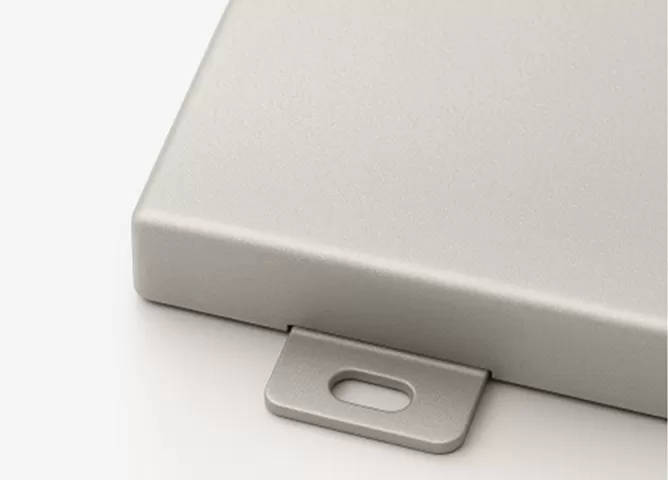
ALTOP fabricated metal panel detail showing a formed edge and fixing feature.
A simple rectangular panel can often follow a relatively repeatable production sequence. A panel with several bends, welded corners, openings or curved surfaces requires additional setup, dimensional control and inspection.
The shape of the finished component should be included in any meaningful cladding cost comparison.
For projects that specify decorative openings or custom patterns, consult the perforated aluminum panel product range when preparing the fabrication schedule.
Surface finishing can represent a meaningful part of the fabricated panel cost. But it is not accurate to assume that every PVDF finish has one fixed premium over powder coating, or that anodizing is always the least expensive choice.
Pricing depends on the actual coating formulation, color, pretreatment, application process, order quantity and specified performance. Exterior projects may require more demanding weathering and color-retention criteria.
Powder coating offers varied colors and textures, but there are different coating chemistries and performance levels. A standard interior powder finish should not be compared directly with a higher-performance exterior system.
Anodizing may be selected for its metallic appearance. Pricing can depend on substrate quality, anodic coating specification, available colors, component dimensions and batch requirements.
Do not compare finish names alone.The FGIA architectural coating specifications identify different performance levels for factory-applied finishes on architectural aluminum extrusions and panels.
For selection details rather than price alone, read PVDF vs Powder Coating vs Anodizing for Aluminum Facades.
The visible aluminum panel is only one part of a cladding assembly. Depending on the facade design, supporting components may include metal rails, brackets, mechanical anchors, fasteners, stiffeners, isolation materials and connection hardware.
ALTOP lists clip-on, screw-fixed and hook-on fixing options. Each needs to be considered as part of the designed facade connection arrangement. A fixing label alone does not reveal the quantity, material, engineering or installation work required.
Require compatible retaining components and panel-edge geometry. The rate depends on the specific carrier and connection system, not the word "clip-on."
Depend on fastener type and quantity, support alignment, connection details and whether fixing points are accessible or concealed.
Require matching hangers and receiving members. Installation and retention details can influence both material quantities and on-site labor.
Important cost boundary:Confirm whether the quoted panel rate includes the subframe and brackets, or whether the building contractor will supply and install those separately. Also clarify whether insulation, weather-control membranes, fire barriers and other wall components belong to the cladding contract.
Not automatically. Standardized panel sizes and repeated details can improve production planning, but oversized panels may require more demanding forming, reinforcement, packaging and handling.
ALTOP lists reference sheet dimensions including 1220×2440 mm, 1250×2500 mm and 1500×3000 mm. The supplier also lists project-specific large-format options, which must be checked individually for manufacturing and transport feasibility.
A project with repeated dimensions, common fold details and a consistent finish may allow more efficient nesting, production scheduling and quality inspection.
A facade with many unique sizes, angled edges, curved shapes or repeated cutouts may require more programming, production changes and component tracking.
Higher quantities can spread some setup and procurement costs over more panels. However, the result depends on whether panels are repeated or individually customized, and whether the project requires multiple colors, delivery stages or separate production batches.
Buyers should send a panel schedule showing quantities by panel type. A total facade area without a type-by-type breakdown is often insufficient for accurate fabrication pricing.
Installation cost can vary substantially even when two projects use similar factory-fabricated panels. The difference often comes from building access, facade geometry, substrate conditions and the amount of coordination required with other trades.
A factory quote from an overseas manufacturer should not be presented as the completed installation cost of the facade. The latter requires local contractor pricing and a defined scope of work.
International aluminum cladding procurement introduces costs that may not be visible in the panel price. Finished panels can require protective films, protective separators, crates, identification labels and special handling for oversized or delicate finishes.
The buyer should also clarify inland transport, export documentation, freight, insurance, destination handling, customs clearance, applicable duties and local delivery responsibilities.
Panel protection, crating, identification and special arrangements for large or curved components.
Inland movement, loading, international freight and handling at the destination.
Customs responsibilities, duties where applicable and final delivery to the agreed location.
Quote comparison rule:Ask every supplier to identify the named delivery place and applicable Incoterms rule. EXW, FOB, CIF and DAP do not allocate the same transport costs and responsibilities. TheICC Incoterms 2020 rulesprovide the internationally recognized framework for clarifying these obligations.
Imagine two suppliers quote a project described only as "3 mm aluminum cladding panels with exterior coating." The scope sounds similar, but one quotation may include folded returns, reinforcement and packaging, while the other excludes them.
3 mm aluminum sheet specified
Exterior finish described generally
Edge fabrication not clearly defined
Stiffeners and brackets not stated
Delivery scope unclear
3 mm aluminum panels specified
Coating performance and color defined
Folded edges and panel schedule included
Reinforcement and fixing scope identified
Packaging and delivery terms defined
These are hypothetical scope descriptions for illustration, not actual ALTOP quotations or market prices.
The more useful comparison is to ask both suppliers for the same specification and to identify excluded items. Only then can the quoted amount be divided by the same agreed measured area to produce comparable rates.
A Lower Rate May Simply Mean a Smaller Scope.
If one supplier excludes reinforcement, support hardware, inspection or protective packaging, those items do not disappear from the project. They may simply appear later as additional costs.
Cost differences do not always come from aluminum market prices. They can arise when important design information is missing or changes after the quotation.
Changes in the panel schedule can affect sheet usage, fabrication programs, packing and delivery sequencing.
A change in color, coating class or appearance requirements may affect production planning and finish availability.
Stiffener, bracket and support requirements should be resolved early, particularly for larger smooth panels.
Window interfaces, soffits, corners and parapets may require custom pieces not visible in an early area estimate.
A contract may leave temporary access, secondary steelwork, sealing or final adjustments to another party unless inclusions are clearly agreed.
A lower initial purchase price can be attractive, but facade cladding is also a long-term building component. Finish quality, panel flatness, water-management details, maintainability and the ability to replace damaged panels may affect the overall project decision.
For large smooth metal facade surfaces, for example, insufficient attention to panel geometry, stiffeners and support conditions can lead to visible waviness. Additional corrections after installation may be more disruptive than addressing the issue during design and fabrication.
For the technical factors behind visible metal-panel waviness, see Metal Panel Oil Canning: Causes, Flatness, Stiffeners and Installation.
The best commercial choice should meet the required design, performance and delivery scope at an acceptable total cost. It is not necessarily the offer with the lowest aluminum sheet rate.
The Canopy at 272 Normanby Road, Melbourne, illustrates why aluminum cladding should be considered within its wider building context rather than priced as an isolated decorative metal sheet.
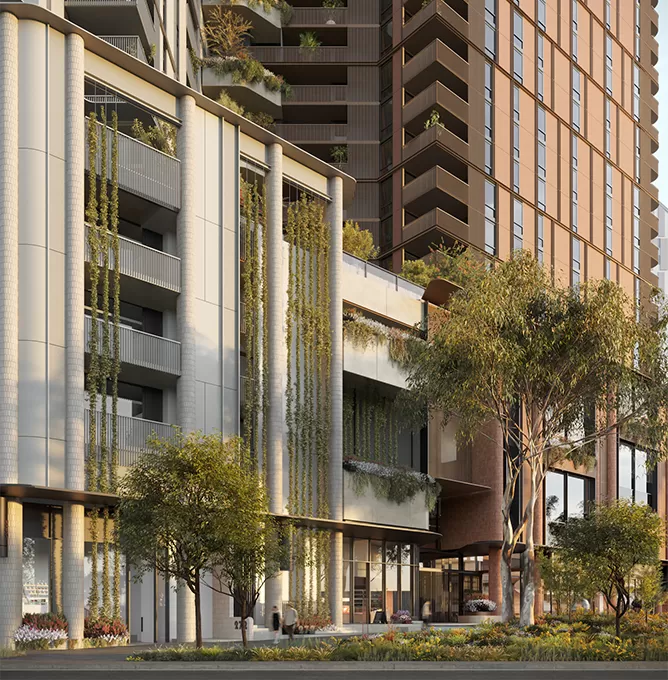
ALTOP's published project scope includes unitized curtain wall systems, aluminum panel cladding, louvers and balustrades. The aluminum cladding incorporates a fluorocarbon-coated finish.
For procurement, such a project requires coordination between metal panel fabrication and adjacent facade systems. Geometry, finished appearance, interfaces and delivery sequencing all matter.
The project's published overall facade area covers multiple facade products. It should not be interpreted as an aluminum-cladding-only quantity or used to infer a cladding unit price.
See the ALTOP The Canopy Melbourne project reference for the documented product scope and facade applications.
A detailed request for quotation allows manufacturers to compare the same materials and fabrication requirements. For international projects, clarify whether the request covers panels only, panels with fixing accessories or a wider delivered package.
Panel quantity by type
Width, height and thickness
Flat, folded or curved geometry
Folded edges and stiffeners
Drawings and panel identification
Finish type and performance class
Color and gloss requirements
Bracket and subframe scope
Fixing and connection details
Required samples or testing
Agreed measurement basis
Currency and quotation validity
Packing and delivery requirements
Incoterms rule and named place
Delivery phases and schedule
Useful starting point:If detailed shop drawings are not ready, send architectural elevations, preliminary panel sizes, estimated quantities and desired finishes. Suppliers can then identify the assumptions and missing information required for a more accurate quotation.
There is no universal rate that applies to all projects. Prices depend on aluminum thickness, dimensions, fabrication, finish, fixing scope, production quantity, transport and installation. Obtain a quotation based on a defined specification and measurement area.
Not necessarily. A supplier may quote raw material, finished panels, a panel-and-hardware package or a wider installed scope. Check the inclusions and exclusions before treating the rate as a project budget.
At the same area and alloy, 3 mm sheet uses more aluminum than 2 mm sheet. The finished panel price also depends on fabrication, reinforcement and finishing. Compare complete panel specifications rather than thickness alone.
A specified PVDF coating system may have a different cost from a powder-coated or anodized finish. The difference depends on coating class, color, application process, volume and required performance. There is no universal surcharge percentage.
Not always. Larger panels can reduce the number of visible joints or components in some designs, but may require more reinforcement, specialized handling and different transport arrangements. Cost should be assessed for the complete fabricated assembly.
Supply-only prices cover the defined manufactured goods and agreed delivery services. Installed prices may also include site labor, access equipment, subframes, fixings, temporary works and other contractor responsibilities.
Only when those items are explicitly included in the quotation. The aluminum face panel alone is not the entire building-envelope system. Insulation, water-control layers, fire barriers and related interfaces may belong to separate contract packages.
Provide the panel schedule, dimensions, thickness, drawings, finish specification, fixing requirements, quantities and delivery location. State whether the request includes fabricated panels, support hardware or installation services, and ask the supplier to identify exclusions.
A meaningful aluminum cladding cost per m² comparison starts with consistent panel specifications, measurement rules and commercial scope. Thickness, fabrication complexity, finish, fixings, subframes, quantity and delivery conditions should all be considered before a rate is accepted.
ALTOP manufactures custom architectural aluminum cladding panels with project-specific dimensions, fabricated geometries and finish options. For pricing discussions, provide your facade drawings, panel schedule and intended scope of supply so that the requirements can be reviewed before a quotation is prepared.
View ALTOP Aluminum Cladding →Request a Project Quotation →